
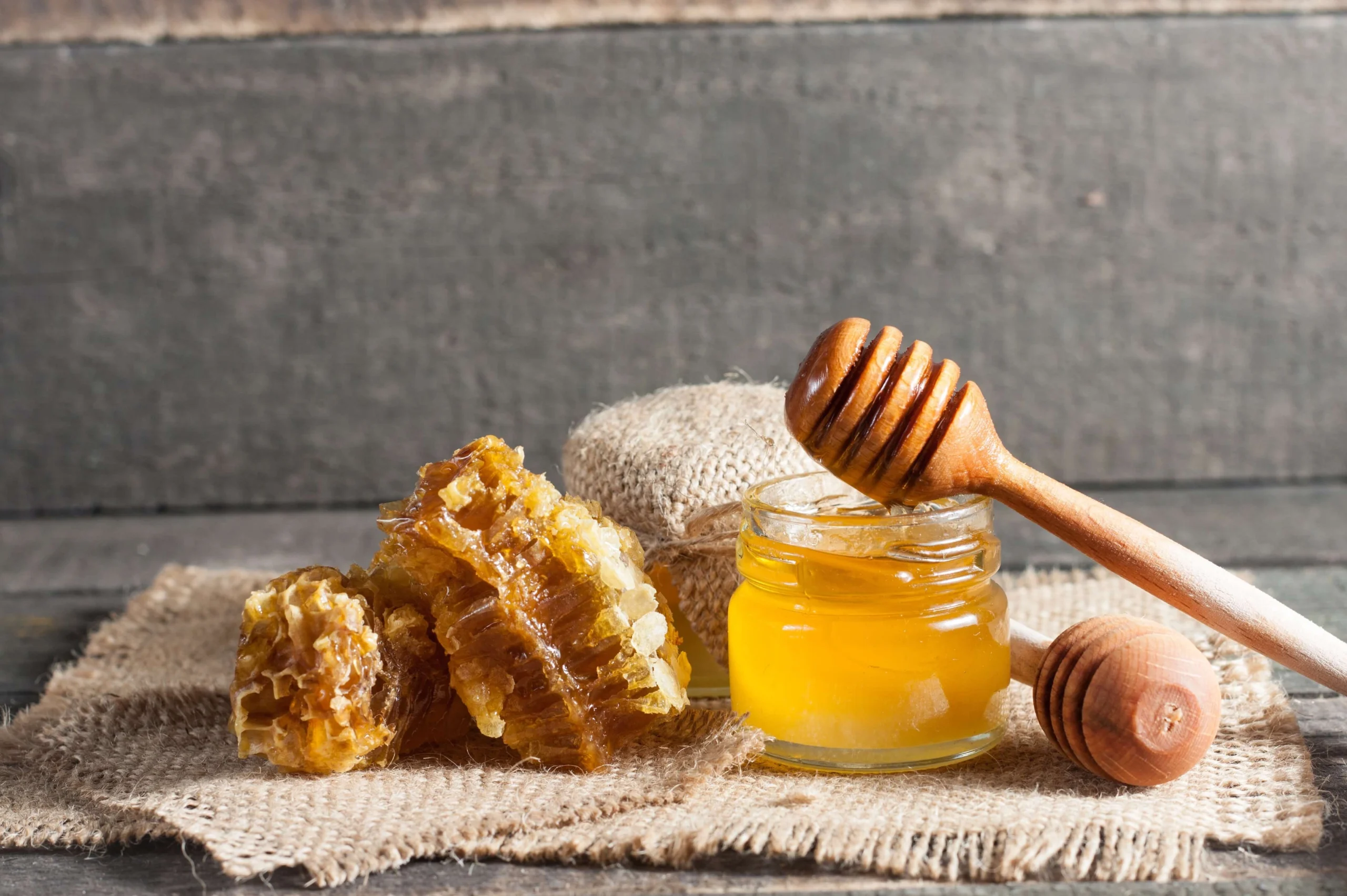
London’s food scene has always had a talent for discovering things that the rest of the world has known about for centuries. Sourdough. Natural wine. Single-origin coffee. And now, increasingly, raw honey — a product that has been produced and consumed in its natural state for thousands of years, and is now being rediscovered by a generation of Londoners who have grown tired of the processed, flavourless substitutes that dominate supermarket shelves.
This article explains what raw honey actually is, why it is meaningfully different from the jar of clear runny honey you find in most shops, what the science says about its health properties, and where to find the best raw honey London has to offer.
Content
What Raw Honey Actually Is
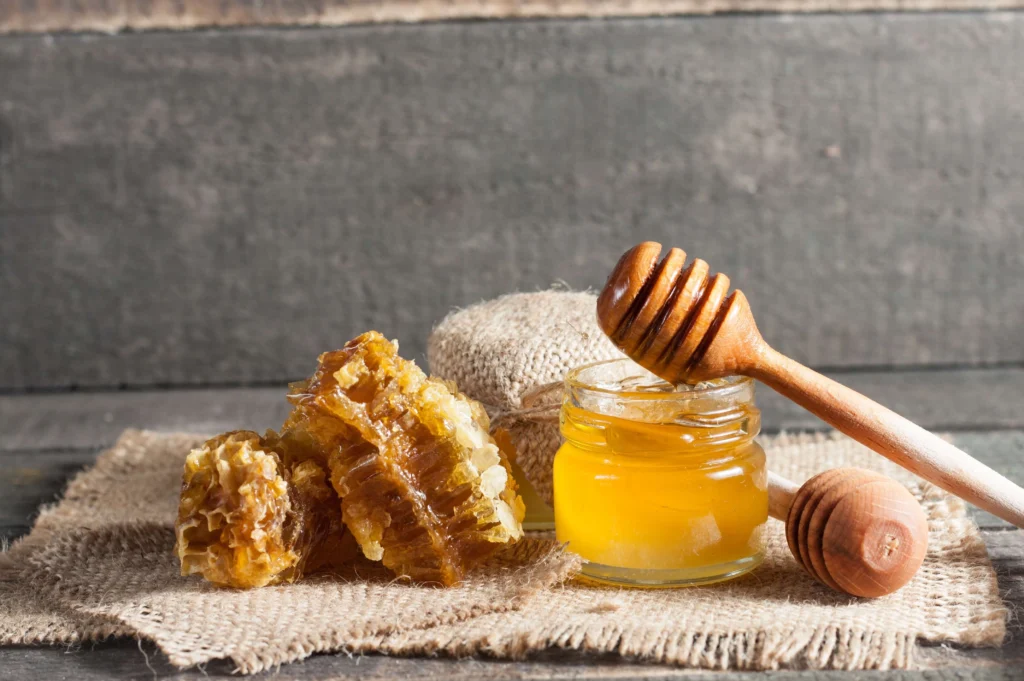
Raw honey is honey in its most natural state. It has been extracted from the hive and strained to remove wax and debris, but it has not been heated, not ultrafiltered, and not blended with syrups, glucose, or additives of any kind.
This distinction matters enormously because of what processing removes.
Commercial honey production typically involves heating honey to temperatures above 70°C to prevent crystallisation, kill wild yeasts, and extend shelf life. Ultrafiltration then removes pollen, propolis, and other fine particles to produce a clear, uniform-looking product that is visually appealing on a supermarket shelf.
The problem is that the heating and filtration processes systematically destroy the very compounds that make honey valuable. These include:
Enzymes: Diastase and invertase, which aid digestion and give raw honey its characteristic slight fermented complexity.
Polyphenol antioxidants: Present in high concentrations in raw honey, particularly honey from botanically rich environments. These compounds are heat-sensitive and are largely destroyed by commercial processing.
Bee pollen: A complete protein source containing amino acids, vitamins, and minerals. Ultrafiltration removes it entirely.
Propolis: A natural antimicrobial compound produced by bees from plant resins. Linked to antibacterial and antifungal properties in numerous studies.
What remains after commercial processing is essentially a flavoured sugar syrup. It tastes sweet. It contains calories. But it is a nutritionally diminished product that bears only a superficial resemblance to genuine raw honey.
The Science Behind Raw Honey’s Health Properties
Research into the health properties of raw honey has grown significantly over the past two decades. The picture that emerges is of a genuinely complex food with a range of documented bioactive properties — properties that are largely absent from commercially processed honey.
Key findings include:
Antimicrobial properties: Raw honey has been used as a wound treatment for thousands of years, and modern research has confirmed its antimicrobial activity against a wide range of bacteria, including some antibiotic-resistant strains. The mechanisms include hydrogen peroxide production, low water activity, and the presence of bee defensin-1 and other antimicrobial peptides.
Antioxidant capacity: Multiple studies have confirmed that raw honey — particularly honey from diverse botanical sources — has significant antioxidant activity, comparable in some cases to fruits and vegetables. The polyphenol content varies widely between honey types, with monofloral and wild-flower raw honeys typically higher than processed commercial equivalents.
Digestive health: The enzymes present in raw honey, particularly diastase, contribute to digestive function. Raw honey also contains prebiotics — oligosaccharides that support beneficial gut bacteria — which are absent from processed honey.
Glycaemic response: While honey is a sugar-rich food and should be consumed in moderation, research suggests that raw honey has a lower glycaemic index than refined sugar and commercial honey, partly due to its higher fructose-to-glucose ratio and partly due to the presence of compounds that moderate glucose absorption.
Why Provenance Matters for Honey
Not all raw honey is equal. The quality and character of honey is determined primarily by the botanical environment from which the bees forage — the diversity and quality of the flowers, trees, and plants in their range. Honey produced in botanically rich, unpolluted environments from diverse or specific floral sources is both more complex in flavour and more dense in bioactive compounds.
Honey from Sicily — particularly from the interior regions where wildflowers, citrus blossoms, carob, and other native plants create an exceptionally rich foraging environment — is among the finest in the world. The absence of intensive agriculture in much of Sicily’s interior means lower pesticide exposure and higher botanical diversity compared to many other honey-producing regions.
Sicilian raw flora honey — produced from bees foraging across a diverse range of native plants throughout the season — captures this botanical richness in every jar. It is typically amber to dark amber in colour, with a complex, rounded flavour that is quite unlike the one-dimensional sweetness of supermarket honey.
Finding the Best Raw Honey in London
Raw honey from single-origin, botanically diverse sources is increasingly available in London through specialist food retailers, farmers markets, and direct importers. When buying, look for:
Unheated production: Confirmed on the label or by the producer.
Named origin: A specific region, not just “Mediterranean” or “European.”
No added ingredients: Raw honey should contain nothing except honey.
Crystallisation: A natural raw honey will often crystallise at room temperature — this is a sign of quality, not a defect.
LAVERDE Artisan imports raw flora honey directly from family producers in the Caltanissetta region of Sicily, using traditional methods that preserve the honey’s natural enzymes, pollen, and bioactive compounds. If you are looking for the finest raw honey London importers offer, sourced with full traceability from an exceptional foraging environment, it represents a genuine benchmark.
The Bottom Line
Raw honey is not a health food trend. It is the original form of one of humanity’s oldest foods, and the evidence for its bioactive properties is substantial and growing. For Londoners who care about what they eat and want ingredients that deliver genuine nutritional value alongside exceptional flavour, raw honey belongs in the kitchen — not as an occasional treat, but as a daily staple.

Arlene Ross is a health blogger who enjoys writing on her website. Arlene has always had an interest in medicine, and she hopes to become a doctor one day. She loves reading about medical discoveries, especially when they are for rare conditions that don’t have much research yet. She also likes exploring the science behind different diets and nutrition programs.