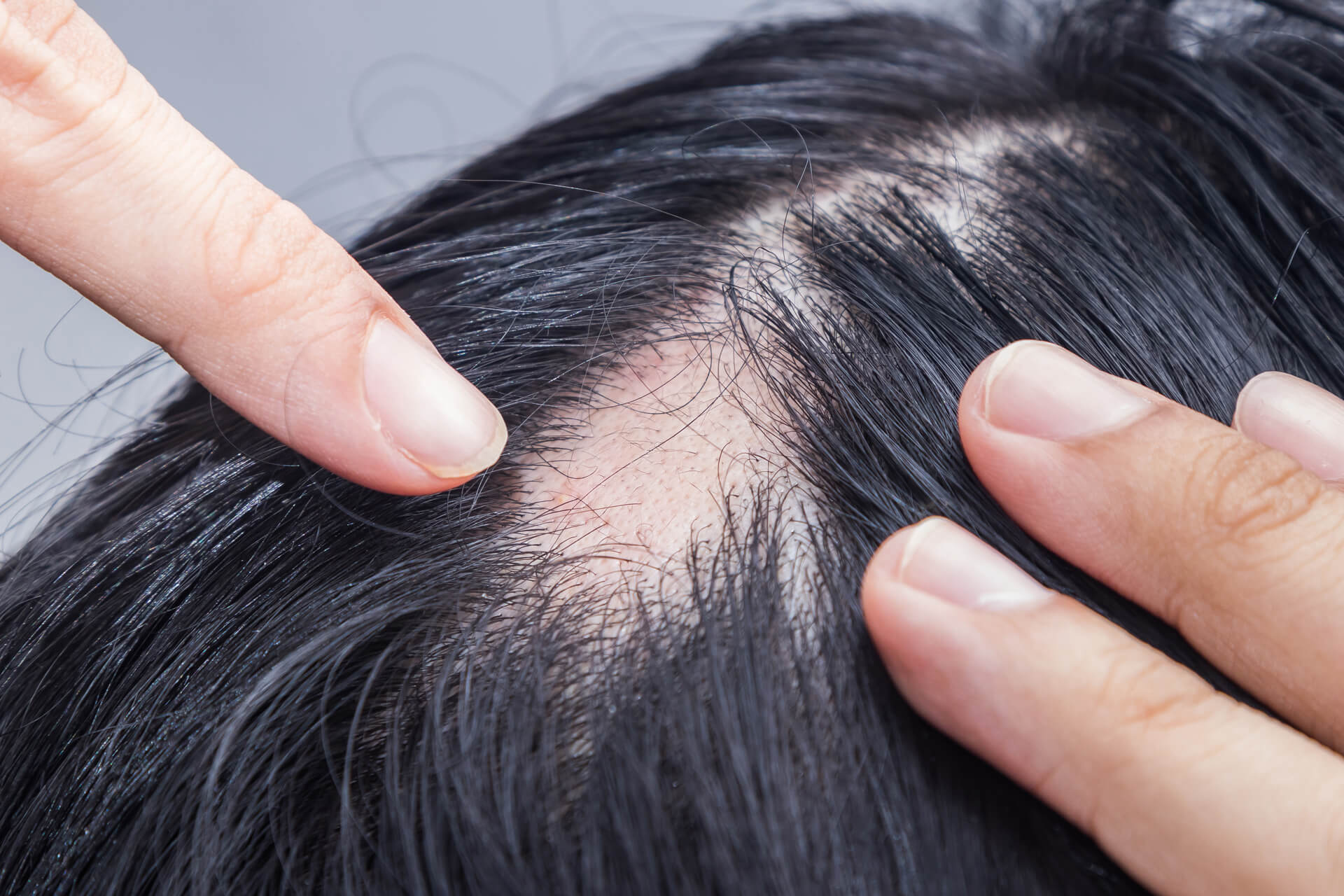
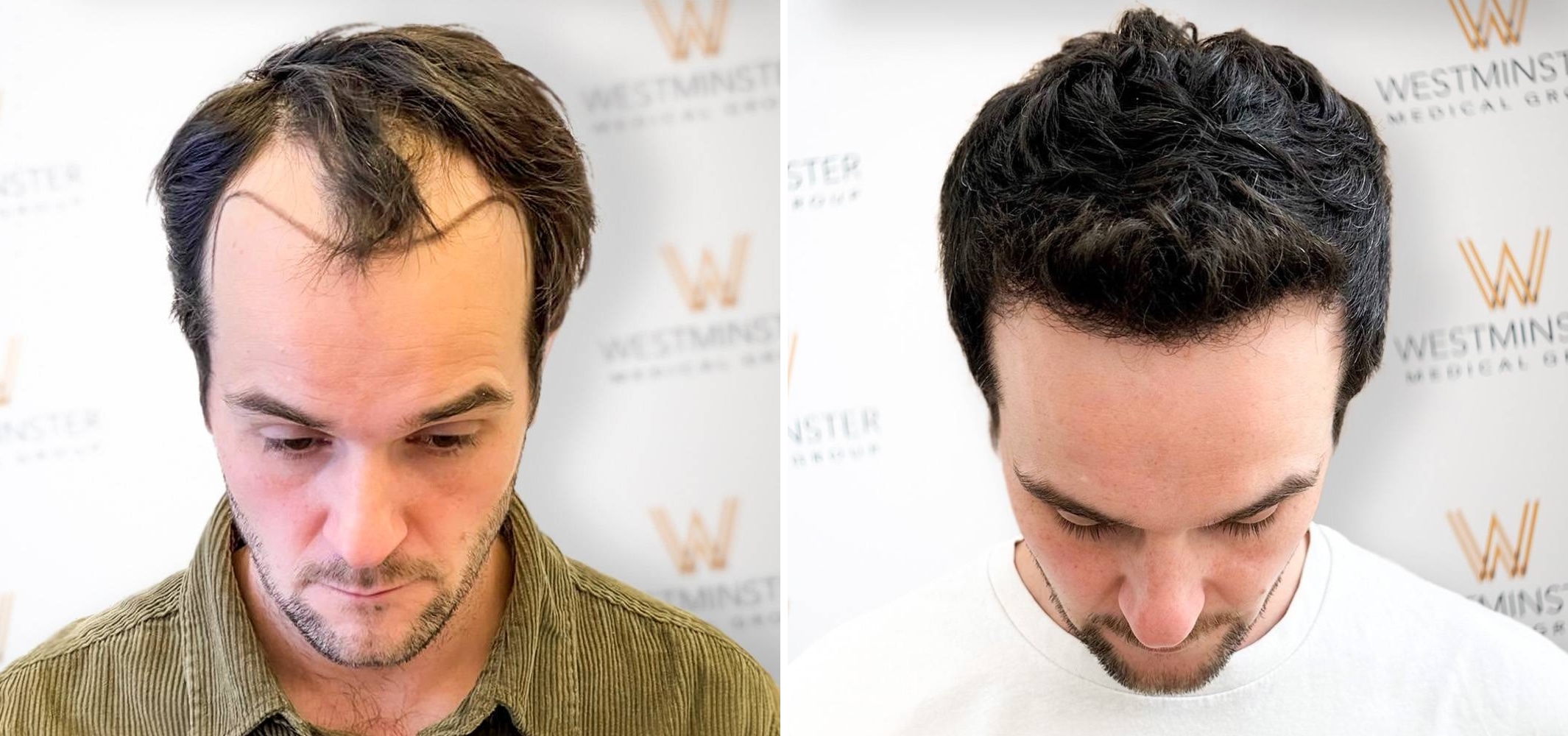
Hair loss affects millions of people worldwide, impacting confidence, self-esteem, and overall quality of life. While surgical solutions like hair transplants have long been popular, many individuals are now exploring non-surgical treatments that can stimulate natural hair growth. Two of the most effective therapies in this category are PRP (Platelet-Rich Plasma) and PRF (Platelet-Rich Fibrin) treatments. But how exactly do these therapies work, and why are they gaining so much attention in the hair restoration community?
Content
Understanding PRP and PRF
Both PRP and PRF are derived from your own blood, making them autologous treatments that harness the body’s natural healing mechanisms.
- PRP Therapy: In this process, a small amount of your blood is drawn and spun in a centrifuge to separate the plasma rich in platelets. Platelets are packed with growth factors that encourage tissue repair and regeneration. This concentrated plasma is then injected into areas of thinning hair.
- PRF Therapy: PRF is a next-generation treatment that takes PRP a step further. It is prepared without anticoagulants, allowing for a fibrin matrix to form. This fibrin network slowly releases growth factors over time, providing a longer-lasting effect and more gradual stimulation of hair follicles.
How PRP and PRF Stimulate Hair Growth
Both therapies work by activating the body’s natural healing processes, but they target hair follicles in slightly different ways:
- Activating Dormant Hair Follicles: Hair follicles can enter a resting phase due to genetics, stress, or hormonal changes. PRP and PRF injections deliver growth factors directly to these follicles, reactivating them and promoting the transition to the active growth phase.
- Increasing Blood Supply: Growth factors in PRP and PRF improve blood circulation to the scalp, ensuring hair follicles receive essential nutrients and oxygen. Better vascularization supports stronger, healthier hair strands.
- Stimulating Collagen Production: Both therapies encourage collagen synthesis in the scalp. Collagen strengthens the scalp tissue, which in turn supports thicker and denser hair growth.
- Reducing Inflammation: Chronic inflammation can contribute to hair thinning and follicle miniaturization. PRP and PRF have anti-inflammatory properties, creating an optimal environment for hair growth.
PRP vs. PRF: Which is Right for You?
While both treatments are highly effective, PRF offers some advantages over traditional PRP:
- Longer-lasting results due to slow release of growth factors
- Higher concentration of stem cells, enhancing regenerative potential
- Minimal additives, making it a more natural approach
A trained clinician can help determine which therapy is best based on your hair loss stage, scalp condition, and personal goals.
Benefits Beyond Hair Restoration
PRP and PRF are not just limited to treating thinning hair or early-stage hair loss. They are also used in combination with hair transplant procedures to improve graft survival, accelerate healing, and enhance overall density. Many leading clinics, such as Hair Transplant London, integrate these therapies into personalized treatment plans for both surgical and non-surgical patients.
Other benefits include:
- Minimal downtime, with most patients returning to normal activities within a day
- Natural, safe treatment derived from your own blood
- Suitable for both men and women experiencing hair thinning
The Procedure and What to Expect
A typical PRP or PRF session begins with a blood draw, followed by centrifugation to isolate the platelet-rich plasma or fibrin. The clinician then injects the solution into thinning areas of the scalp using fine needles. Sessions usually take 30–60 minutes, and most patients require 3–6 sessions spaced 4–6 weeks apart for optimal results.
Patients often notice subtle improvements in hair thickness and scalp health within a few weeks, with more significant results appearing after several months. Consistent follow-up and maintenance sessions help sustain long-term hair density.
Conclusion
PRP and PRF therapies represent a breakthrough in non-surgical hair restoration, offering a natural, safe, and effective way to stimulate hair growth. By activating dormant follicles, enhancing blood flow, and promoting tissue regeneration, these treatments provide a powerful alternative or complement to traditional hair transplant procedures.
For those considering professional guidance and advanced treatment options, consulting a leading clinic like Hair Transplant London can provide a tailored plan to achieve the best possible results. Whether you are in the early stages of thinning hair or seeking to enhance a previous transplant, PRP and PRF therapies offer hope for fuller, healthier hair without invasive surgery.

Arlene Ross is a health blogger who enjoys writing on her website. Arlene has always had an interest in medicine, and she hopes to become a doctor one day. She loves reading about medical discoveries, especially when they are for rare conditions that don’t have much research yet. She also likes exploring the science behind different diets and nutrition programs.