Busy professionals can access spa-quality wellness without leaving their workplace through on-site massage services, desk-friendly stretching routines, aromatherapy diffusers, guided meditation apps, healthy snack stations, proper hydration systems, and ergonomic workspace improvements. These practical solutions reduce stress, increase productivity, improve physical comfort, and create healthier work environments without requiring expensive gym memberships or time-consuming trips to traditional spas.
Workplace stress has reached epidemic proportions among modern professionals, with demanding schedules, constant connectivity, tight deadlines, and performance pressure creating physical tension, mental exhaustion, and health consequences that undermine both wellbeing and productivity. Traditional advice to visit spas, attend yoga classes, or take relaxing vacations sounds wonderful but remains impractical for professionals whose calendars overflow with meetings, whose inboxes never empty, and whose responsibilities continue regardless of how desperately they need rejuvenation. The solution lies not in finding more time for wellness activities but rather in bringing spa-like experiences directly into the workplace where professionals actually spend most of their waking hours. Modern workplace wellness solutions transform ordinary office environments into spaces supporting physical relaxation, mental clarity, and emotional balance through simple affordable interventions that fit seamlessly into busy schedules. From mobile massage therapists who set up treatment spaces in conference rooms to aromatherapy systems that infuse work areas with calming scents, from guided meditation apps that deliver 5-minute stress relief between meetings to ergonomic improvements that eliminate physical discomfort, these workplace wellness solutions deliver tangible benefits without requiring professionals to add yet another item to their already overwhelming to-do lists. This guide explores practical accessible ways that busy professionals can incorporate spa-quality wellness into their work routines, creating healthier more sustainable approaches to demanding careers.
Content
On-Site Massage Services
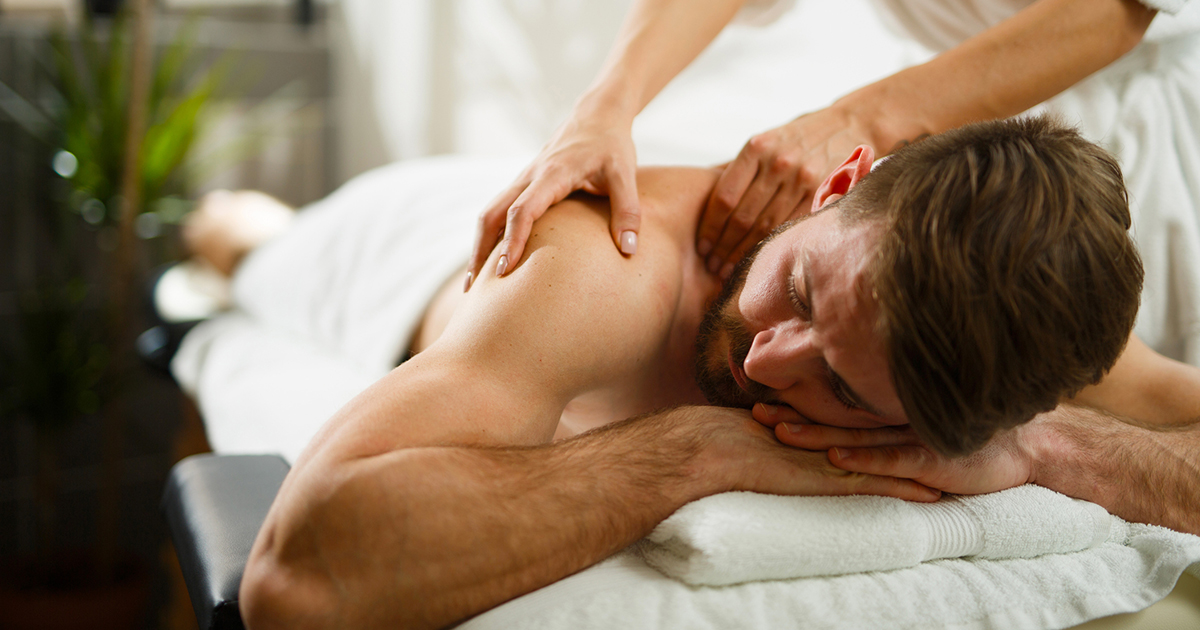
Mobile massage therapy brings professional spa treatments directly to workplace settings, eliminating the time barriers that prevent busy professionals from accessing this powerful stress relief modality.
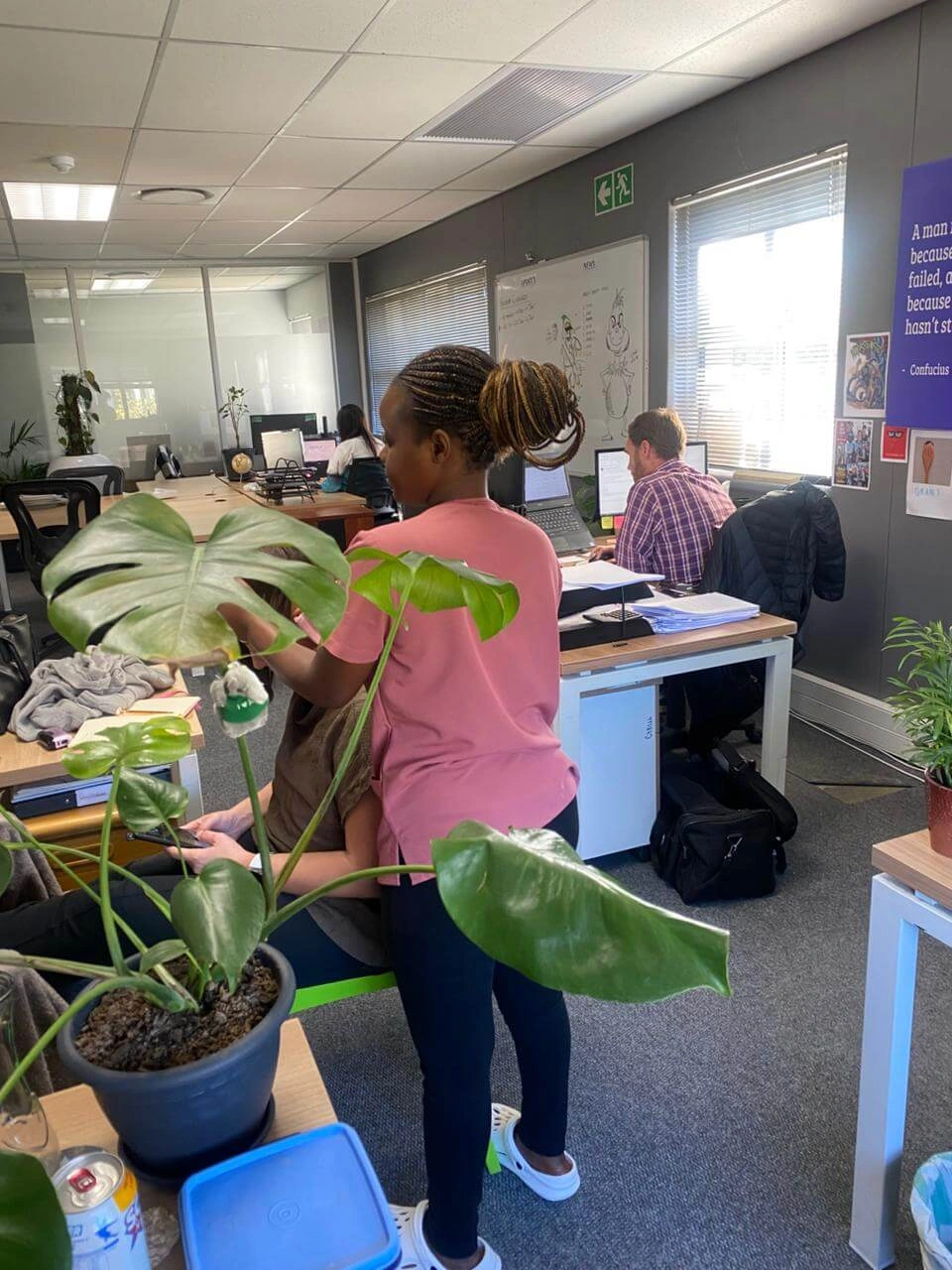
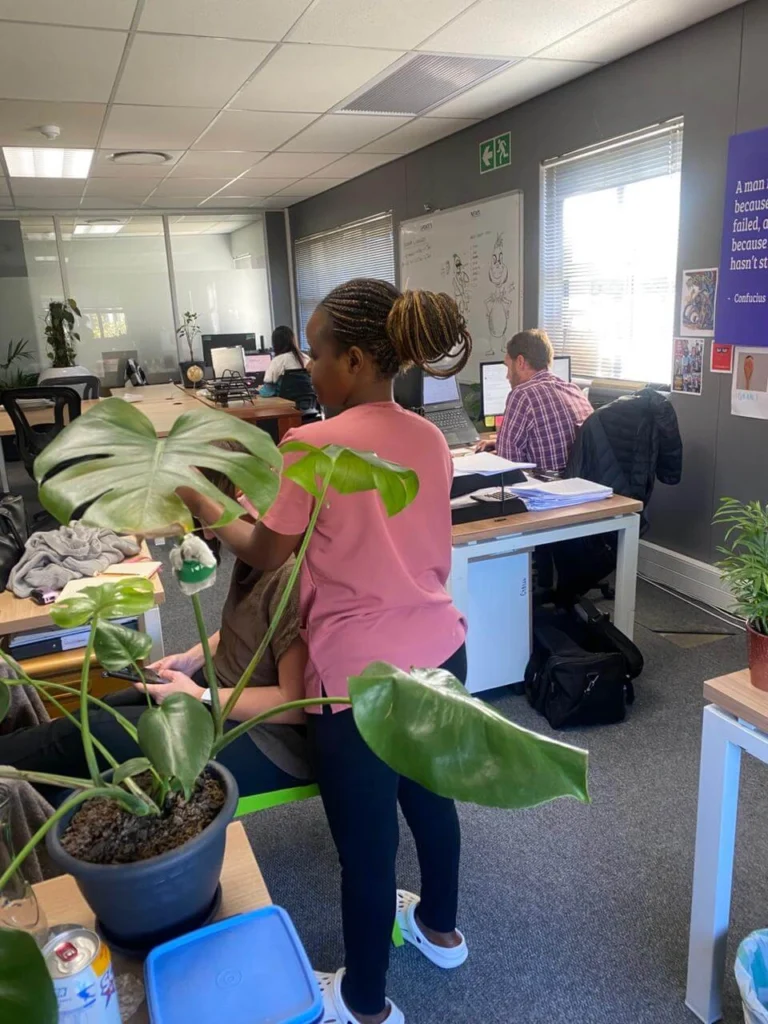
Chair massage sessions lasting 15 to 30 minutes provide targeted relief for neck, shoulder, and back tension without requiring professionals to undress or leave their work attire. These quick sessions fit easily into lunch breaks or between meetings, delivering immediate stress reduction and physical relief.
Companies like Healing Harmony Mobile Massage in Cape Town, South Africa have pioneered workplace wellness programs that are truly convenient. Professionals looking for great mobile spa and massage for the office can access professional therapists like Healing Harmony mobile massage in Cape Town who bring all necessary equipment, set up in available spaces, and provide treatments scheduled around business operations without disrupting productivity.
Regular massage schedules create wellness routines that professionals actually maintain because the service comes to them rather than requiring them to travel elsewhere. Weekly or monthly sessions become anticipated stress relief opportunities that employees prioritize because accessibility removes common barriers.
Group booking discounts make workplace massage programs affordable when costs are shared across teams or subsidized by employers recognizing the productivity and morale benefits these services deliver.
Desk-Friendly Movement and Stretching
Physical movement throughout workdays prevents the muscle tension, circulation problems, and postural issues that sedentary office work creates, yet requires no special equipment or facilities.
Seated stretching routines targeting neck, shoulders, wrists, and lower back can be performed discreetly at desks several times daily. Simple stretches held for 30 seconds each release accumulated tension and improve flexibility without drawing attention or requiring workout clothes.
Standing desk intervals alternating between sitting and standing positions throughout days reduce lower back strain, improve circulation, and increase energy levels. Even basic standing desks or improvised elevated work surfaces deliver these benefits.
Walking meetings replace some traditional conference room discussions with conversations conducted while walking outdoors or through office corridors. This movement serves multiple purposes including stress reduction, creative thinking stimulation, and physical activity integration.
Micro-exercise breaks involving brief movement sequences like desk push-ups, wall sits, or stair climbing provide cardiovascular and strength benefits in just 5 to 10 minutes scattered through days.
Aromatherapy and Environmental Enhancements
Scent profoundly influences mood, stress levels, and cognitive function, making aromatherapy one of the simplest wellness interventions for workplace environments.
Essential oil diffusers placed on desks or in common areas disperse calming scents like lavender for stress relief, peppermint for focus and energy, eucalyptus for respiratory clarity, or citrus oils for mood elevation. These portable devices operate quietly and effectively in office settings.
Personal aromatherapy inhalers provide discreet scent therapy that professionals can use anytime without affecting colleagues. These pocket-sized devices deliver aromatherapy benefits during particularly stressful moments or whenever a quick wellness boost is needed.
Natural lighting maximization through strategic desk positioning near windows, removal of unnecessary window coverings, and full-spectrum light bulbs in areas lacking natural light improves mood, regulates circadian rhythms, and reduces eye strain.
Plants in workspaces improve air quality, reduce stress through connection with nature, and create more visually pleasant environments. Low-maintenance varieties like pothos, snake plants, or succulents thrive in office conditions while delivering these wellness benefits.
Mindfulness and Meditation Practices
Mental stress relief through mindfulness practices provides powerful benefits without requiring any physical space or equipment beyond a smartphone.
Guided meditation apps like Headspace, Calm, or Insight Timer offer sessions ranging from 3 to 20 minutes addressing stress, focus, sleep, or specific challenges. These can be used during breaks, commutes, or even briefly between meetings using headphones for privacy.
Breathing exercises including box breathing, 4-7-8 breathing, or simple deep breathing protocols activate parasympathetic nervous systems within minutes, providing immediate stress relief that can be practiced anywhere discreetly.
Mindful transitions between tasks involve taking brief intentional pauses to reset mentally rather than rushing from one activity to the next. Even 60 seconds of conscious breathing before starting new tasks improves focus and reduces cumulative stress.
Gratitude practices like maintaining brief daily gratitude lists or mentally noting positive aspects of workdays shift psychological perspectives toward more positive outlooks that buffer against workplace stress.
Nutrition and Hydration Stations
Proper nutrition and hydration significantly affect stress levels, energy, and cognitive function, yet often get neglected during busy workdays.
Healthy snack stations stocked with nuts, seeds, fresh fruit, vegetable sticks with hummus, whole grain crackers, and dark chocolate provide nutritious options preventing the energy crashes and mood disruptions from vending machine junk food.
Herbal tea selections offer calming, energizing, or digestive support depending on varieties chosen. Chamomile provides relaxation, green tea delivers focused energy, peppermint aids digestion, and many professionals find the ritual of preparing tea itself calming.
Water intake tracking through marked water bottles, hydration apps, or simple hourly reminders ensures adequate hydration that prevents fatigue, headaches, and reduced cognitive performance from even mild dehydration.
Protein-rich lunches including lean meats, legumes, or plant-based proteins stabilize blood sugar and energy levels through afternoons, preventing the mid-afternoon crashes that make stress feel more overwhelming.
Scheduled eating breaks rather than working through meals allow proper digestion and mental rest that actually improve afternoon productivity despite the time spent away from work tasks.
Ergonomic Workspace Optimization
Physical discomfort from poor ergonomics creates constant low-level stress that accumulates throughout days, yet simple adjustments dramatically improve comfort.
Monitor positioning at eye level and arm’s length prevents neck strain from looking down at screens or eye strain from improper viewing distances. Simple monitor stands or adjustable arms achieve optimal positioning inexpensively.
Chair adjustments setting proper seat height, lumbar support, and armrest positions support neutral spinal alignment reducing back pain and muscle tension. Most office chairs include adjustment features that many professionals never properly configure.
Keyboard and mouse placement at heights allowing relaxed shoulders and 90-degree elbow angles prevents shoulder, neck, and wrist strain. Keyboard trays or desk height adjustments achieve proper positioning.
Footrests support proper posture for professionals whose feet don’t comfortably reach floors when seated at proper heights. This simple addition prevents lower back strain and improves circulation.
Screen break reminders using apps that prompt regular eye rest following 20-20-20 rules (every 20 minutes, look at something 20 feet away for 20 seconds) prevent eye strain and mental fatigue from continuous screen exposure.
Social Connection and Community
Human connection provides stress relief through emotional support, perspective, and the simple pleasure of positive social interaction that work pressure often crowds out.
Lunch groups gathering colleagues for meals away from desks create social bonding while ensuring proper meal breaks. These regular connections build workplace relationships that make daily work more enjoyable.
Walking partners for movement breaks combine physical activity benefits with social interaction, making both more likely to happen consistently than either would occur alone.
Celebration rituals marking accomplishments, birthdays, or milestones create positive workplace culture and provide mental breaks from work intensity. Even brief celebrations deliver mood benefits disproportionate to time invested.
Peer support systems where colleagues check in on each other’s wellbeing create accountability for stress management while providing outlets for sharing challenges that feel less appropriate for manager relationships.
Team wellness challenges around step counts, water intake, meditation streaks, or healthy eating create friendly motivation for individual wellness practices while building team camaraderie.
Creating memorable workplace wellness experiences might even extend to special events. For companies investing in comprehensive wellness culture, incorporating unique relaxation-focused corporate events can provide immersive stress relief experiences that reset teams and demonstrate organizational commitment to employee wellbeing.
Technology for Wellness
Digital tools support wellness practices through reminders, tracking, guidance, and motivation that help busy professionals maintain healthy habits despite demanding schedules.
Posture reminder apps alert users when slouching is detected through device cameras or prompt regular posture checks, preventing the accumulated strain from hours of poor positioning.
Habit tracking apps like Habitica, Streaks, or simple spreadsheets create accountability and motivation for wellness practices through visual progress records and streak maintenance.
Stress monitoring through wearable devices like Fitbit, Apple Watch, or Garmin provides objective stress level data and often includes guided breathing exercises triggered by elevated stress detection.
Calendar blocking for wellness activities treats self-care with the same priority as meetings by literally scheduling time for movement breaks, meditation, or other wellness practices in calendars.
Key Takeaways
Busy professionals can access effective stress relief without leaving workplaces through practical spa-like wellness solutions including mobile massage services, desk-friendly stretching, aromatherapy, meditation apps, healthy nutrition stations, proper hydration, and ergonomic improvements.
On-site massage programs bring professional treatments directly to offices, eliminating time barriers and making regular stress relief accessible through convenient scheduling that fits around work demands.
Movement integration through seated stretches, standing desk intervals, walking meetings, and micro-exercise breaks prevents physical tension while boosting energy and productivity without requiring gym facilities or workout clothes.
Aromatherapy via essential oil diffusers, personal inhalers, combined with environmental enhancements like natural lighting and workplace plants creates more wellness-supporting spaces.
Mindfulness practices using meditation apps, breathing exercises, mindful transitions, and gratitude journaling provide mental stress relief accessible anywhere in just minutes.
Nutrition and hydration improvements through healthy snack stations, herbal tea selections, water intake tracking, protein-rich lunches, and scheduled eating breaks stabilize energy and mood while reducing stress.
Social connections through lunch groups, walking partners, celebration rituals, peer support systems, and team wellness challenges provide emotional support and make wellness practices more sustainable.
Technology tools including posture reminder apps, habit trackers, stress monitoring wearables, and calendar blocking support consistent wellness practice maintenance despite busy schedules.
Implementing even a few of these accessible workplace wellness solutions creates meaningful stress reduction and improved wellbeing without requiring additional time commitments or expensive memberships, making sustainable self-care finally realistic for demanding professional lives.
Arlene Ross is a health blogger who enjoys writing on her website. Arlene has always had an interest in medicine, and she hopes to become a doctor one day. She loves reading about medical discoveries, especially when they are for rare conditions that don’t have much research yet. She also likes exploring the science behind different diets and nutrition programs.