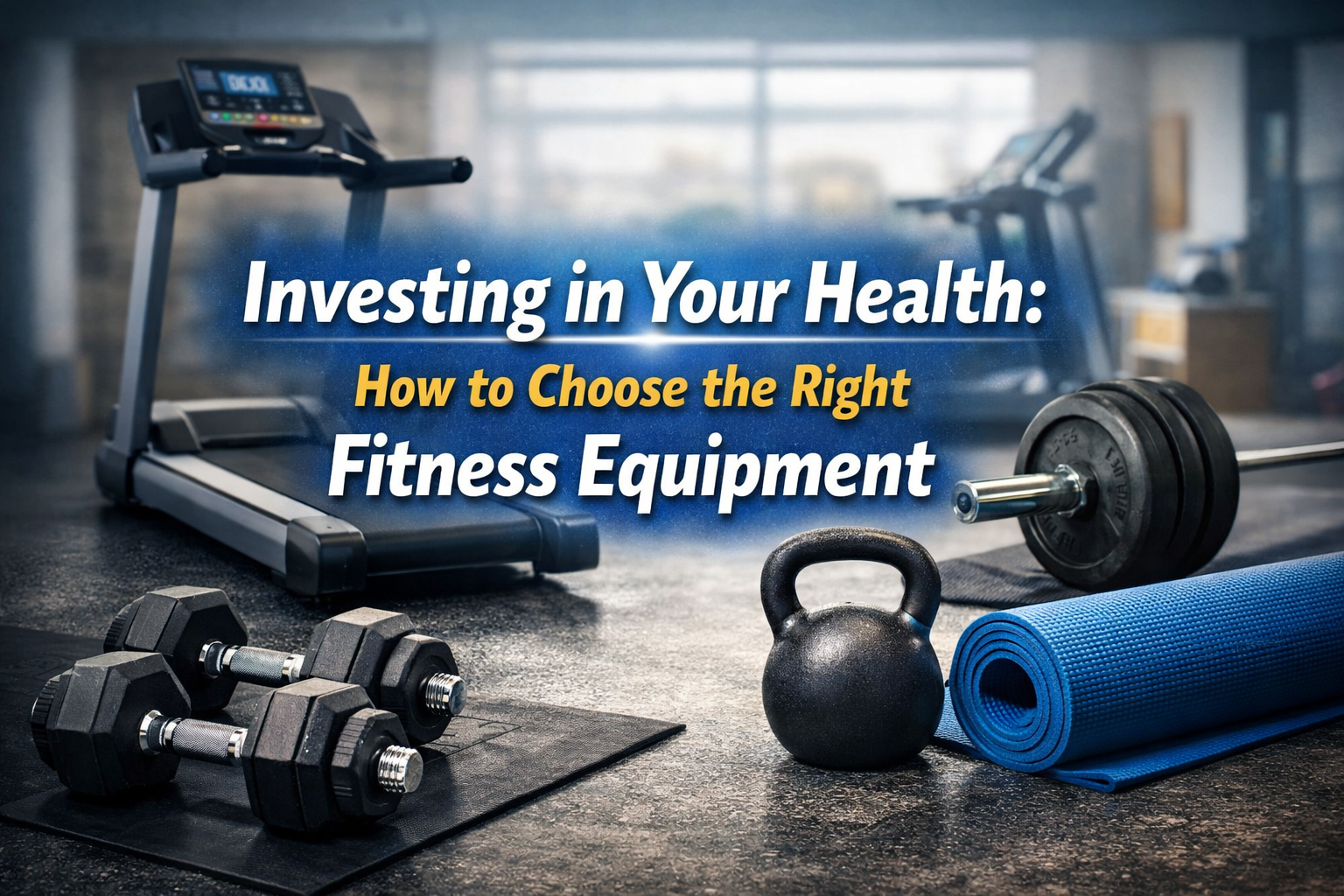
Choosing the right fitness equipment begins with clearly identifying your health goals, available space, and long-term commitment to physical activity. The most effective equipment is not defined by price or brand alone, but by how consistently it supports safe, goal-oriented exercise that improves overall health and physical performance.
Content
Why Choosing the Right Fitness Equipment Matters
Fitness equipment plays a direct role in workout effectiveness, motivation, and injury prevention. When equipment aligns with individual fitness needs, it encourages regular use, supports proper movement patterns, and delivers measurable health benefits over time. Poor equipment choices often result in discomfort, inconsistent workouts, or complete abandonment of exercise routines.
Identify Your Fitness and Health Goals
Before purchasing any equipment, define your primary objective. Cardiovascular improvement, weight management, muscle strengthening, rehabilitation, and flexibility training each require different types of equipment. Understanding your goal ensures that your investment directly contributes to measurable outcomes.
Cardiovascular health and endurance
Strength and muscle development
Low-impact or joint-friendly exercise
Mobility, flexibility, or recovery support
Consider Space, Layout, and Budget
Available space is a critical factor when selecting fitness equipment. Large machines require sufficient floor area and safe clearance, while compact or adjustable equipment is better suited for smaller environments. Establishing a realistic budget also helps narrow options and focus on quality, durability, and essential features rather than unnecessary extras.
Prioritize Safety, Durability, and Build Quality
High-quality construction and safety features are essential for long-term use. Stable frames, smooth resistance systems, and ergonomic design reduce the risk of injury and improve exercise comfort. Equipment backed by warranties and positive user feedback typically reflects better manufacturing standards.
Match Equipment Features to Your Workout Style
Different training styles benefit from specific features. Cardio equipment often includes programmable workouts and heart rate monitoring, while strength equipment should offer adjustable resistance and proper support. Selecting features that align with how you train increases engagement and long-term adherence.
Popular Fitness Equipment Options
Understanding common equipment categories helps simplify the selection process and ensures suitability for your goals.
Treadmills and ellipticals: Ideal for cardiovascular conditioning and endurance training
Rowing machines: Provide full-body cardio with strength benefits
Adjustable dumbbells: Versatile tools for progressive strength training
Resistance-based systems: Suitable for controlled and beginner-friendly workouts
Functional training tools: Support balance, mobility, and core strength
Evaluate Equipment Carefully When Buying Online
When purchasing online, review detailed specifications, weight capacity, dimensions, and user reviews. Reliable sellers provide transparent product information, clear return policies, and customer support. These factors help reduce the risk of unsuitable purchases.
Common Mistakes to Avoid
Many buyers focus solely on price or aesthetics, overlooking practicality and usability. Avoid purchasing equipment that exceeds your fitness level, requires more space than available, or lacks essential safety features. Thoughtful selection prevents wasted investment and unused equipment.
Frequently Asked Questions
What fitness equipment is best for beginners?
Beginners benefit from adjustable dumbbells, resistance bands, treadmills, or stationary bikes, as these allow gradual progression and controlled movement.
Is home fitness equipment effective?
Yes, home fitness equipment is effective when chosen appropriately and used consistently as part of a structured routine.
How much should I invest in fitness equipment?
The ideal investment depends on usage frequency and goals, but prioritizing durability and safety provides better long-term value.
Conclusion
Investing in the right fitness equipment supports consistent exercise, improves physical health, and delivers long-term value. By aligning your purchase with personal goals, available space, and quality standards, you create a sustainable foundation for improved well-being and lifelong fitness.
Arlene Ross is a health blogger who enjoys writing on her website. Arlene has always had an interest in medicine, and she hopes to become a doctor one day. She loves reading about medical discoveries, especially when they are for rare conditions that don’t have much research yet. She also likes exploring the science behind different diets and nutrition programs.